
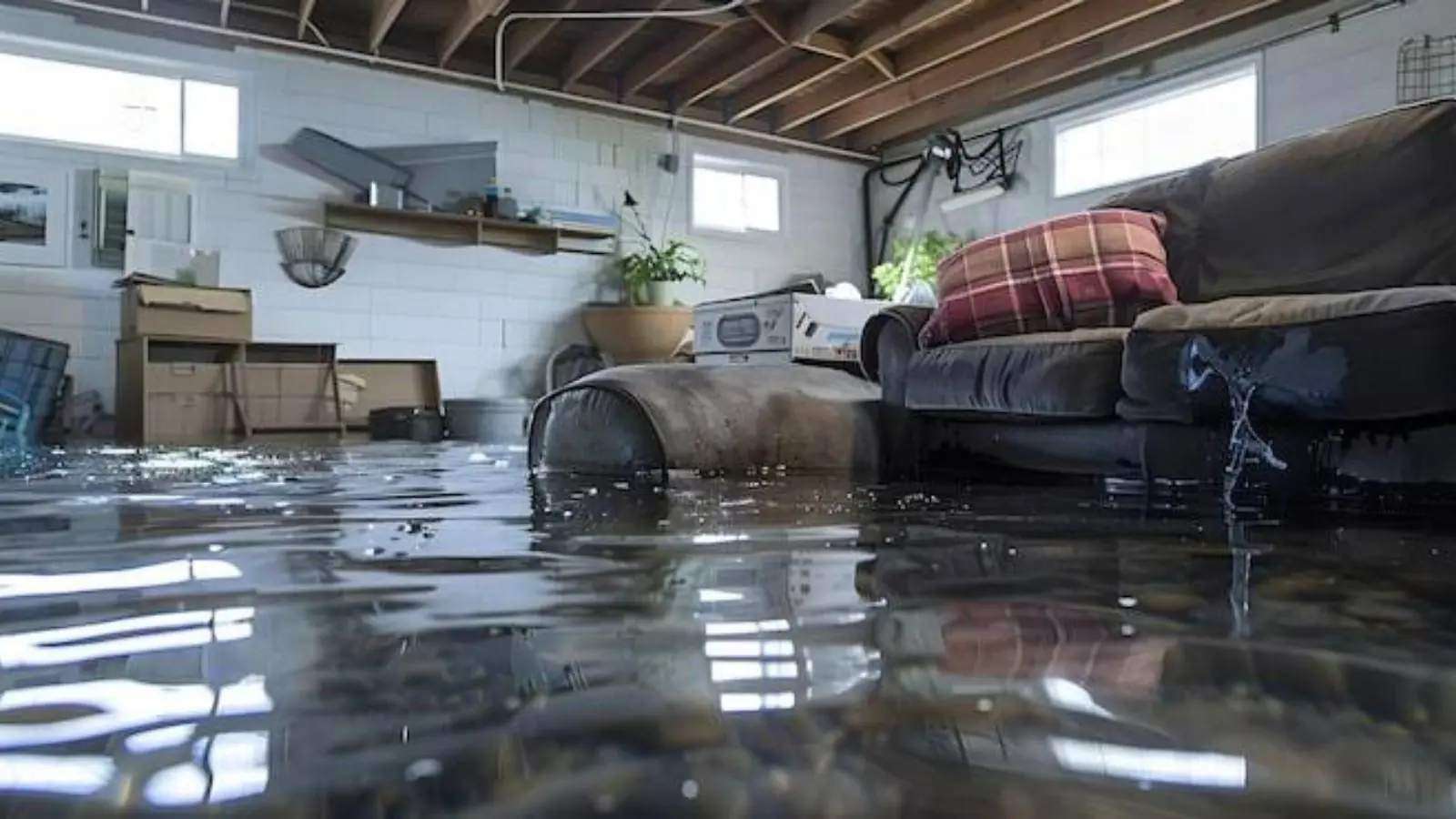
What flood damage restoration means for a La Quinta home
Water from outside or from a sewer is in your house, and we are open 24/7. Stay out of it, keep children and pets clear, and call (760) 769-1159 from a dry spot. Do not wade through it to save belongings.
Flood damage restoration is the removal of storm, runoff, groundwater or rising water, and the cleaning and drying of everything it touched. Floodwater is typically Category 2 or Category 3, meaning it can carry contaminants. That changes what can be kept.
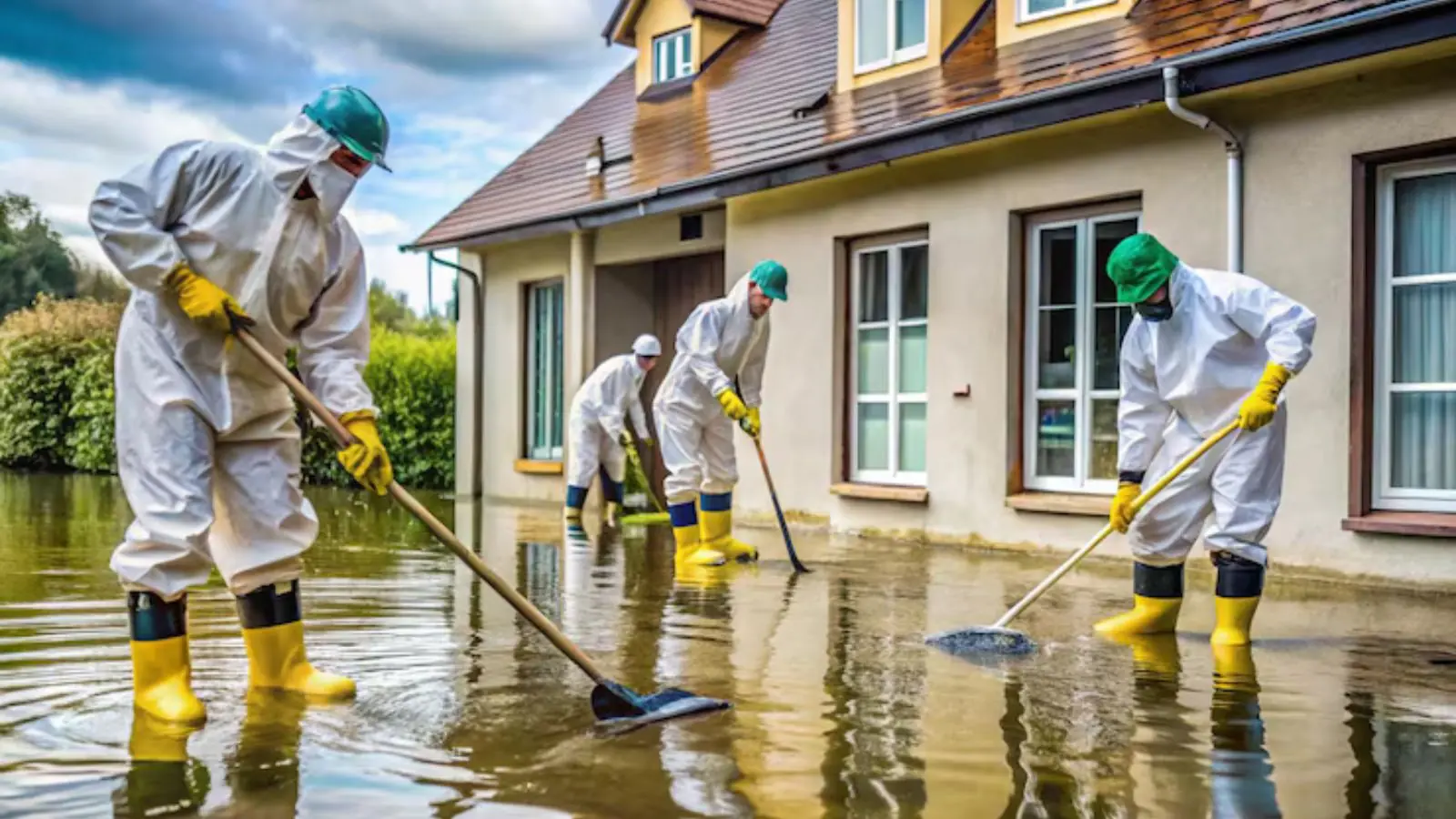
How a desert storm floods a house
La Quinta gets under 4 inches of rain in a normal year. During Tropical Storm Hilary in August 2023, the National Weather Service reported two-day totals of 3.82 inches in Palm Desert and 3.23 inches at Palm Springs Airport, close to a full year of rain in a weekend. Hard, dry ground sheds that water, so flooding comes from runoff moving toward doors, garages and low slab edges.
Riverside County Emergency Management warned people never to walk or drive through a flooded road, because as little as one inch of moving water can move a car. The practical lesson is to avoid the water and let a crew handle it afterward. Before a forecast storm, ask the city about sandbags, which were handed out at La Quinta City Hall and the Corporate Yard ahead of Hilary.
What flood damage looks like
Flood losses show up differently from a pipe leak, and they tend to come with silt.
- A line of mud or stain along walls showing how high the water stood
- Silt on the floor, in door tracks and under cabinets
- Warped doors, swollen trim and lifted flooring
- A sour, earthy smell that gets stronger when the AC runs
- Wet insulation and drywall well above the floor
How floodwater is cleared and the structure dried
Extraction units remove standing water first. Crews then take out contaminated porous material like carpet, pad and wet insulation, and cut drywall above the wet line. Moisture meters and thermal imaging cameras confirm what is still wet.
Surfaces that stay are cleaned and treated with an antimicrobial, then dried with air movers and LGR dehumidifiers. If the water was clean supply water, water mitigation is the closer fit. When you need standing water pumped out fast, emergency water removal is the starting point.
Options and trade-offs
Floodwater leaves you two paths. You can strip and replace contaminated materials, which costs more and takes longer to rebuild, or you can try to salvage hard surfaces and framing by cleaning and drying them.
Salvaging is reasonable for tile, concrete and solid framing. It is a poor bet for carpet, pad, insulation and soaked drywall that touched Category 3 water. Be wary of any plan that dries contaminated material in place and closes it up.
Basement Flooding Cleanup
If your home has a lower level, crawl space, below-grade garage or sunken patio, water settles there first. Full basements are uncommon here, so a flooded low area is more often a garage, a stairwell or a space under the house.
Cleanup in those spaces begins with pumping, then removing wet contents, then drying with dehumidifiers because low areas hold humidity. Crawl spaces are checked carefully, since insulation and wood there stay wet long after the water drains.
If there is any chance the lower area touches electrical equipment, do not enter it. Water heaters, furnaces and panels sometimes sit low, and standing water around them is a shock risk. Call the utility before anyone steps in, and call (760) 769-1159 once the area is safe to assess.
Restoration is not waterproofing. We dry and clean what the water damaged, but fixing grading, drainage or foundation entry points is the job of a waterproofing or foundation contractor.
Sewage Backup Cleanup
Raw sewage from a floor drain, toilet or tub is Category 3 water, and it is an emergency. Stay out of the area, keep everyone away from it and do not touch anything electrical if the floor is wet.
If you smell gas or see sparks, call your utility or 911 before you call (760) 769-1159. We are open 24/7 for this exact situation, and dispatch will tell you what to do while a crew is arranged.
Crews wear protective gear such as gloves, boots, suits and respirators. Contaminated materials are bagged and disposed of, surfaces are cleaned and treated, and the area is dried.
Do not run the dishwasher or flush while a sewer line may be backed up. Your water utility can confirm whether the problem is in the main line. That tells you whether the blockage is on your side of the property line or the utility's side, which affects who fixes the pipe. Photograph the affected area before cleanup starts so your insurer has a record.
Floodwater is in the house tonight
If water is still entering or standing, treat it as urgent. We take after-hours calls on nights and weekends, and same-day response is available when crews are free.
Cut power only if the panel is dry and safe to reach. Otherwise stay out and call the utility or 911 for any electrical or gas risk before you call the line.
What shapes the cost of flood cleanup
Flood jobs vary widely, and these factors explain why.
| Factor | What changes it |
|---|---|
| Water category | Category 3 means disposal and protective gear |
| Affected area | How many rooms and how high the water rose |
| Materials involved | Carpet, pad, drywall, insulation or hard surfaces |
| Drying days and equipment | Depth and length of time the structure was wet |
| Rebuild scope | What must be replaced afterward |
Pricing and insurance
A crew inspects, explains the plan and sets out scope and price before work starts. Want your real number? Call (760) 769-1159.
The California Department of Insurance says standard homeowners insurance does not cover flood damage, and policies typically exclude flood, mudslide and debris flow. Flood coverage is a separate policy, mostly through the National Flood Insurance Program, and it generally takes effect 30 days after purchase. Check your policy now, because buying coverage after a storm warning is too late. The Department can answer disputes.
Close to home
We are licensed and insured and nearby in Indio and Indian Wells too. Check the FEMA flood map for your address, and ask the City of La Quinta Building Division before rebuilding walls or electrical. Once dry, water damage repair puts the house back together.
Questions we hear from La Quinta homeowners
Do you handle flood damage restoration emergencies at night or on weekends in La Quinta?
Yes. Dispatch runs 24/7, including nights, weekends and holidays. Crews respond the same day when they are free to. Call (760) 769-1159 and describe where the water came from.
My crawl space has water in it, is that something you clean?
Yes. Water in a crawl space is pumped, wet insulation is removed and the space is dried. A technician checks moisture in the framing before anything is closed back up.
Is flood restoration the same as waterproofing?
No. Restoration cleans and dries what the flood damaged. A waterproofing or foundation contractor fixes how water enters.
The whole house flooded, where do we start?
Get everyone out of the water, shut off power only if the panel is dry and call (760) 769-1159. Photograph the damage before anything is moved.
Does homeowners insurance cover flood damage?
Usually not. Flood is typically excluded and needs a separate policy. Check your policy or ask your insurer.
Can I clean sewage myself?
It is not recommended. Sewage is Category 3 water and calls for protective equipment and proper disposal.
Water still spreading? The line is open 24/7.
Call (760) 769-1159