
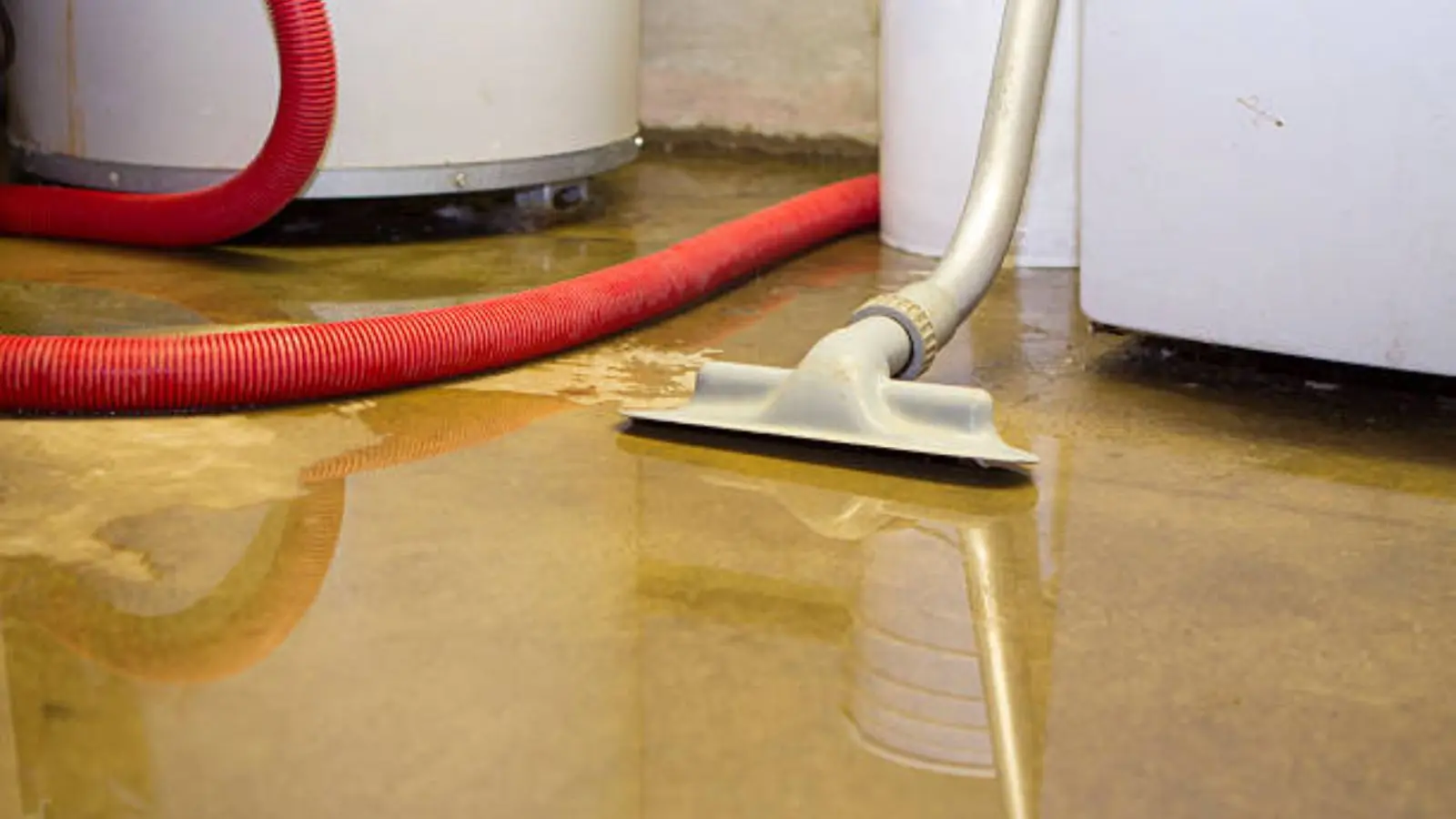
What water damage cleanup means for a La Quinta home
The pipe is off and the puddle is still there, and that is the moment this page is for. We answer the phone 24/7, so call (760) 769-1159 while you move rugs and valuables out of the wet and open a window if the air is stale.
Water damage cleanup is the hands-on removal of water, debris and ruined materials, followed by sanitizing and deodorizing what stays. It begins after the source has been stopped. Cleaning is about what the water left behind, and the first 48 hours are when that work is simplest.
What put water in your house
With summer highs over 100 degrees, AC systems in La Quinta run hard for months, and a backed-up condensate line can drip into a closet floor for weeks. That slow, gray-tinged water behaves differently from a split supply hose, so tell the dispatcher which one you have.
Washer hoses, dishwasher lines and under-sink fittings are the usual culprits in houses built since the 1990s. If you spend part of the year away, a small leak has far longer to soak the drywall, so cleanup tends to be larger.
Signs you need cleanup, not just a mop
A mop handles a spilled bucket. These signs mean water went somewhere a mop cannot reach.
- Carpet that stays damp after the surface water is gone
- A sour or musty odor that returns each morning
- Baseboards that pull away or look stained at the bottom
- Insulation that feels heavy when you press the wall
- Water that came from a washer, dishwasher, toilet or outside
Category 1, 2 and 3 water decide the job
Category 1 is clean source water, like a broken supply line. Category 2 is gray water, such as a washing machine or dishwasher overflow. Category 3 is black water, meaning sewage or rising flood water, and it is never a do-it-yourself job.
Water also moves up a category as it sits. A clean spill left in carpet for two days is not clean anymore, which is why speed matters. Industry practice for this sorting is laid out in ANSI/IICRC S500, and you can ask any company whether its crews work to it.
What stays and what goes
Clean water caught early often lets materials dry in place. Contaminated water, or anything left wet too long, usually means removal. This is the general sort a crew makes room by room.
| Material | Category 1, caught early | Category 2 or 3, or left too long |
|---|---|---|
| Carpet pad | Often removed, carpet may be dried | Removed and discarded |
| Drywall | Dried in place when firm | Cut out above the wet line |
| Insulation | Dried if lightly damp | Removed and bagged |
| Baseboards | Often removed and reset | Removed, replaced afterward |
Sanitizing and odor control
After debris is out, hard surfaces and framing are cleaned and treated with an antimicrobial. In plain words, that is a cleaning solution that slows the growth of bacteria and other microbes on wet surfaces. It does not replace drying, because moisture is what lets trouble develop.
Odor is handled at the source rather than masked. Pad, wet insulation and soaked wallboard are what smell, so removing them does most of the work. Air scrubbers and deodorizing treatment finish the job where a smell lingers in the air.
Your belongings
Contents get sorted by what they are made of. Hard goods like furniture frames and dishes are usually cleaned and kept, while soft items touched by gray or black water are often not worth saving. Photographs and papers are best set aside dry and flat for you to review.
Move small valuables and electronics to a dry room if you can. Take pictures of anything removed, because you will want the record later.
Tonight, with water still on the floor
If water is still standing, treat it as urgent. Our line is open nights, weekends and holidays, and same-day response is available when crews are free, so call (760) 769-1159 and describe what you see.
Where water touches outlets or the electrical panel, or the water came from a sewer line, stay out. Cut power only if the panel is dry and safe to reach, and call your utility or 911 for an electrical or gas risk before you call us. Drying setup comes next, and water mitigation covers that.
What drives the price of cleanup
Cleanup is priced by what the water touched, and nobody can see that over the phone. These five factors set the scope.
| Factor | What changes it |
|---|---|
| Water category | Gray and black water add disposal and sanitizing |
| Affected area | Square footage and number of rooms |
| Materials involved | Pad, drywall and insulation removed versus dried |
| Drying days and equipment | How long the structure needs to stay monitored |
| Rebuild scope | What has to be replaced after cleanup, handled separately |
How the pricing conversation goes
A crew looks at what is wet, tells you what comes out and what stays, and explains scope and price before work starts. Want your real number? Call (760) 769-1159 and we will start from what you are looking at.
Insurance basics
Sudden and accidental water, like a burst pipe or an appliance failure, is often covered. Gradual leaks and neglect often are not, and flood damage is usually excluded without a separate flood policy. Check your policy and ask your insurer what they need from you.
Local and licensed
We are licensed and insured, with an address at 51625 Desert Club Dr. We also reach Indio and Palm Desert. When cleanup is finished and the structure is dry, water damage repair puts the walls and floors back.
Questions we hear from La Quinta homeowners
How soon should cleanup start after the water is stopped?
As early as possible. Drying wet material within 24 to 48 hours usually prevents mold growth, according to EPA guidance. Call (760) 769-1159 and describe what is wet.
Do you handle water damage cleanup emergencies at night or on weekends in La Quinta?
Yes. Dispatch is open 24/7, including nights and weekends. Describe the water, follow the safe steps you are given and a crew is arranged. A same-day visit is possible when a crew is open.
Can wet carpet be saved?
Sometimes. If the water was clean and the carpet was dried quickly, the carpet itself can often be saved. The pad underneath usually cannot be.
Is bleach the right thing to clean with?
The EPA does not recommend routine bleach use as a biocide, and bleach must never be mixed with ammonia. A crew uses an antimicrobial suited to the surface.
Will the smell go away?
In most cases, once the wet material that holds the odor is removed and the structure is dry. Where it lingers, air scrubbers and deodorizing help.
Do I need a permit to rebuild after cleanup?
Work that alters a structure generally needs a permit. Ask the City of La Quinta Building Division before rebuilding walls, plumbing or electrical.
Water still spreading? The line is open 24/7.
Call (760) 769-1159