
What water damage repair means for a La Quinta home
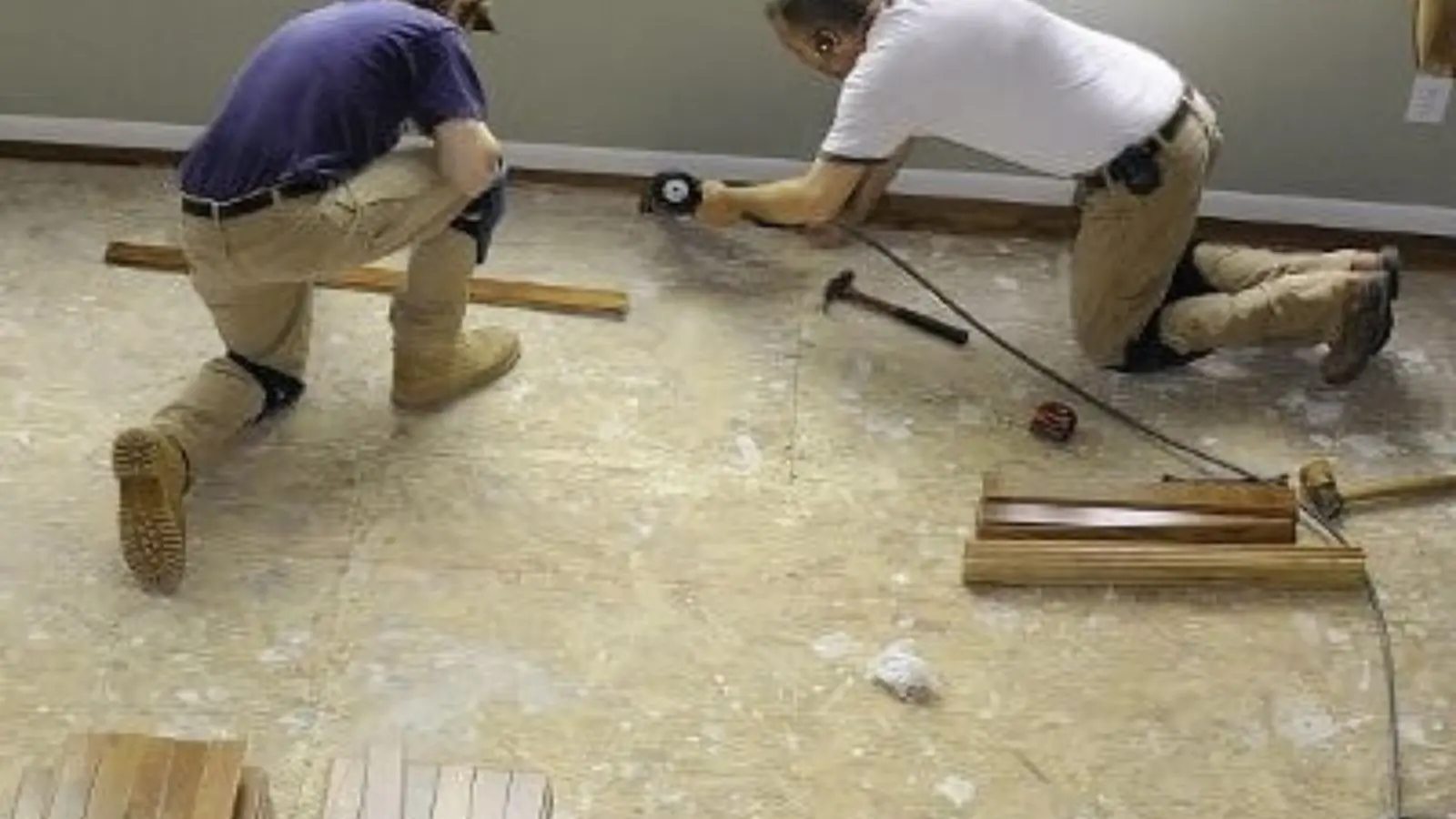
Water damage repair is the rebuild that follows drying. When the structure reads dry, someone has to replace the drywall that crumbled, the insulation that stayed wet, the baseboards that swelled and the flooring that cupped.
If water is still running or wet materials are still sitting in the house, start with water mitigation and come back here after. Repair done on damp framing tends to fail, and then you pay for the job twice.
Why rebuilds happen in homes of this age
Most La Quinta homes went up after the city incorporated in 1982, and the Census count climbed from about 11,200 in 1990 to about 37,500 in 2010.
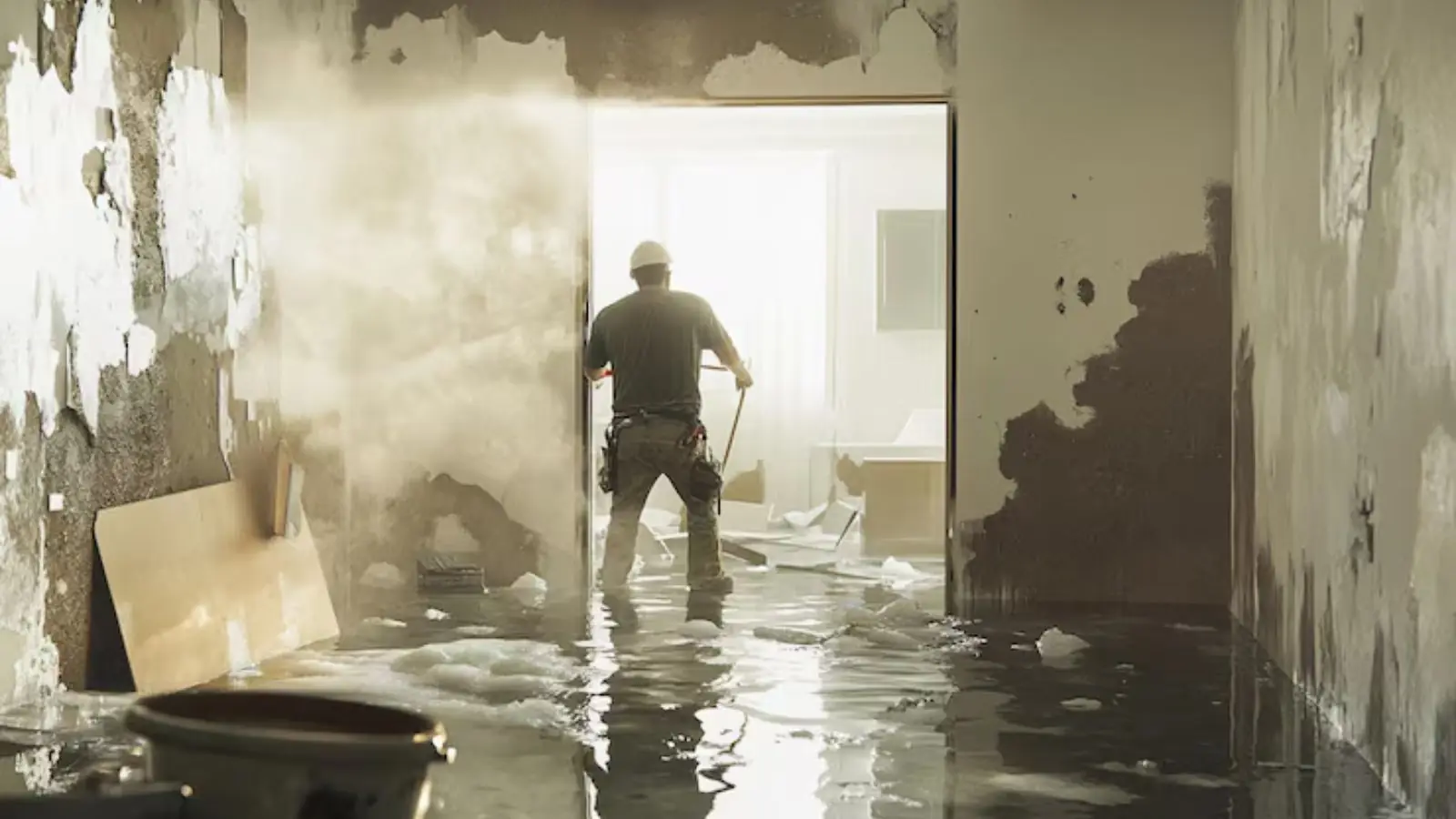
That means a great many original supply lines, water heaters and roof flashings are now 20 to 35 years old, which is when they start to give out. A weeping line can soak a wall cavity for weeks before a stain shows, so the rebuild is often bigger than the spot you can see.
Summer adds its own pattern. Afternoons regularly top 100 degrees, air conditioners run for months, and a clogged condensate line drips quietly into an attic or a closet ceiling. Rain is under 4 inches in a normal year, so when a roof does leak, owners often take the stain for an old one and wait too long.
Signs the damage needs a rebuild, not just paint
Paint over a stain hides it and fixes nothing. Press the surface and see what it does. Drywall that feels soft, crumbles or has bubbled paper facing is finished, and a musty smell in a closed room usually means something behind the surface is still holding moisture.
- A ceiling that sags, or a bulge you can press with a finger
- Baseboards that have swollen or pulled away from the wall
- Floorboards with raised edges or new gaps between them
- Cabinet bases with swollen particleboard or peeling laminate
- Insulation that is dark, flattened or clumped together
How a repair is scoped before anything is cut
The scope comes from readings, not guesses. A moisture meter checks drywall, framing and flooring, and a thermal imaging camera shows cooler, wet areas hiding behind paint. Ask any company whether its crews work to ANSI/IICRC S500, the published standard for water damage.
Cut lines are marked, wet insulation comes out, and the cavity is read again before new board goes up. Closing a wall over damp framing is how a second repair gets booked. If you are unsure that drying is finished, get a moisture reading before you order materials.
Repair, replace or leave it: the honest trade-offs
Not everything has to come out. Drywall that is stained but dry can often be sealed, primed and painted. Board that stayed wet, fell apart or sat under a leak for weeks should be cut out. Soaked insulation usually goes too, since it does not recover once it has been wet. Removing that debris properly is the job of water damage cleanup.
Cabinets and floors are the harder calls. Solid wood boxes can often be dried and kept, while swollen particleboard bases rarely return to shape. The cheapest-looking patch is not always the lowest bill, because a repair that skips damp framing can fail within a season.
Ceiling and Wall Water Damage Repair
Three sources account for most ceiling stains in La Quinta: a roof leak after one of the rare hard rains, an upstairs bathroom or supply line, and an air conditioner whose condensate line has backed up in the attic or a closet. The source decides the repair. A roof leak means wet insulation and a stained, sometimes sagging, patch of board. An AC overflow leaves a ring that grows a little with every hot week until the drain is cleared.
Open the ceiling when it sags, bulges, drips by itself, or stays dark days after the leak was fixed. A bulge is holding water, so stay out from under it and away from light fixtures and fans, and let a crew drain it from the lowest point. Cutting a square larger than the stain lets them see the joists and pull the wet insulation.
Finish work decides whether the repair vanishes. New board is taped, mudded and sanded, then textured to match the old pattern, whether that is knockdown, orange peel or smooth. Paint runs to a natural break such as a corner, because a fresh patch on a faded wall still reads as a patch. Before the ceiling is closed, have the roofer or plumber confirm the leak is truly fixed.
Hardwood Floor Cupping and Drying
Cupping means the edges of each board sit higher than the middle, so the floor looks like a row of shallow troughs. It happens when the underside of a board takes on more moisture than the top. Buckling is the worse cousin, where boards lift off the subfloor in a hump or ridge. Cupping often eases as the wood dries, while buckling usually means boards or fastening have to be redone.
Do not sand or refinish a wet floor. Meter readings on the boards and on the subfloor, compared with a dry reference from an unaffected part of the home, show whether the wood has settled.
Drying takes days to weeks depending on species and thickness. If the numbers level out and the cupping flattens, a refinish may be enough. If not, replacing the affected run is the honest answer. A floor over a slab with a leak underneath needs that source found first.
What drives the cost of a rebuild
Repair cost follows scope, and scope follows how far the water traveled and what it touched. A clean-water ceiling patch and a wet-room rebuild are different jobs entirely.
| Cost factor | How it changes the rebuild | What to tell us |
|---|---|---|
| Water category | Category 1 clean water leaves more material salvageable than Category 2 or 3 water | Where the water came from |
| Affected area | More wall, ceiling and floor surface means more board, texture and paint | Which rooms and how far it spread |
| Materials involved | Hardwood, tile, cabinets and insulation each carry different repair paths | Floor type, cabinet type, ceiling texture |
| Drying days and equipment | Longer drying delays the rebuild start and adds equipment time | Whether drying has started |
| Rebuild scope | Patch, section or full replacement, plus any permit-related work | What you want finished and matched |
How the inspection and pricing conversation works
Want your real number? Call (760) 769-1159 and describe what you see. A crew looks at the damage, takes readings and explains the scope and price before work starts. No figure is promised over the phone for a loss nobody has examined.
Insurance and the repair bill
Sudden and accidental water damage is often covered by homeowners policies, while gradual leaks and neglect often are not. Flood damage is usually excluded and needs a separate policy, which matters for storm runoff cases covered under flood damage restoration. Check your policy or ask your insurer how your loss will be classified before you approve a rebuild.
Take dated photos before anything is removed and keep receipts for every repair item.
Permits and who to ask in La Quinta
Before rebuilding walls, electrical or plumbing, ask the City of La Quinta Building Division whether a permit applies, since repair work on a structure generally needs one. For a rebuild, ask before you open structural walls or do electrical or plumbing work beyond a like-for-like swap. A cosmetic drywall patch is a different question from moving a wall, so get the answer in writing.
We work in homes from The Village to PGA West and Griffin Ranch, with nearby calls from Indio and Palm Desert. Licensed and insured, with same-day response when available.
Questions we hear from La Quinta homeowners
How long after water damage can the repair start?
Repair starts when readings show the materials are dry. Thin drywall may reach that point in days, while framing and flooring can take longer. If drying has not begun, water mitigation comes first. Rebuilding early on damp framing is the usual reason a repair fails.
Can you match my ceiling texture and paint?
Yes, that is part of the finish work. The crew identifies the existing pattern, such as knockdown or orange peel, and blends the new texture into it. Paint is carried to a natural break like a corner, because a small matched patch on an older, faded wall still shows.
My ceiling is sagging. Is it safe to leave?
Treat a sagging ceiling as if it is holding water. Keep people and pets out from under it, stay away from fixtures and fans, and move furniture aside. If the area is near a light fixture or outlet, leave the power off to that area only if you can reach the panel safely.
Do I need a permit to repair water-damaged drywall?
It depends on the work. The city's Building Division is the place to confirm permits, because altering or repairing a structure usually requires one before work begins. Ask the Building Division before you rebuild walls, or do electrical or plumbing work, and keep the answer on file.
Will my cupped hardwood floor go back to flat?
Sometimes. Cupping often eases as boards dry slowly, and a refinish can finish the job once readings are stable. Buckled boards that have lifted off the subfloor usually need to be re-laid or replaced.
What if there is mold in the wall I need to repair?
Mold needs moisture, and it is handled before the wall is rebuilt. Remediation follows the published S520 standard and is covered on the mold remediation page. Health questions belong with a physician.
Does repair include waterproofing my foundation or slab?
No. Restoration is not waterproofing. A waterproofing or foundation contractor handles that, and we can tell you when the readings suggest it is needed.
Water still spreading? The line is open 24/7.
Call (760) 769-1159